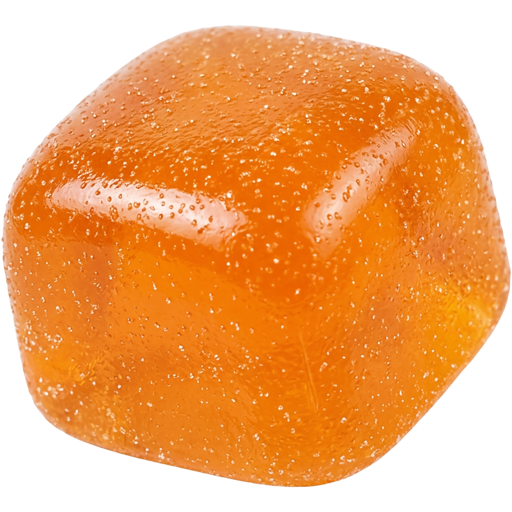
The short answer
Industrial pectin gummies are made in four steps: cook the pectin base with sugars to a target solids level (°Brix), add acid — often with buffer salts — just before depositing to trigger setting, deposit into starch or starchless molds, then cure, demold and finish with sanding sugar, sour powder or wax. The exact temperatures, solids and pH always come from the batch specification for the system you use.
Before you start: the production brief
Most scale-up problems start before the first batch. Before cooking, align on four things: which pectin system you are using (Classic, Zero or Fiber — never a mix), what equipment you run (cooker type, depositor, starch mogul or starchless molds), which finish you want, and which claims you plan to make on the pack. Each of these changes the recipe and the process window.
1. Pre-mix and dissolve
Pectin must be fully dissolved before the sugars are concentrated — undissolved pectin cannot gel properly and leaves grainy spots. Producers usually dry-blend pectin with part of the sugar (or use a pre-formulated base) to stop it clumping, then disperse it into water under good agitation and heat it until fully hydrated.
With a ready gummy base, this step is simpler: the pectin, buffer and carbohydrate ratios are already set, and you follow the dissolving instructions on the specification sheet.
2. Heat: cook to target solids
The solution is then cooked — in a batch kettle, a continuous coil cooker or a vacuum cooker — until it reaches the soluble-solids level set in the specification. For high-methoxyl pectin gummies this is typically around 75–80 °Brix in the cooked mass. Vacuum cooking lets you reach high solids at a lower temperature, protecting colour and flavour.
Measure solids with a refractometer on every batch. Undercooking gives soft, sticky gummies that sweat in the pack; overcooking can cause early setting, high viscosity and tailing on the depositor.
3. Acid, colour and flavour — and timing
HM pectin sets as pH drops. Acid — usually a citric acid solution, sometimes with malic or lactic acid — is dosed together with colour and flavour as late as possible, typically in-line or in the depositor hopper. Buffer salts such as sodium citrate slow the set so the mass stays fluid long enough to deposit cleanly.
Too much acid too early, or a hopper that holds the mass too long, causes pre-gelling: lumps, uneven pieces and blocked nozzles. Plan your acid dosing point together with the depositor speed.
4. Deposit into starch or starchless molds
The hot, acidified mass is deposited into molds while it is still fluid. Two line types are common:
- Starch mogul lines: the mass is deposited into impressions printed in dried corn starch. The starch shapes the gummy and also draws moisture out during curing. Starch moisture and temperature must be controlled.
- Starchless lines: the mass goes into silicone, Teflon-coated or metal molds. These are hygienic and flexible for shapes, but the recipe must set fast and fully enough to demold cleanly, usually with a release agent.
5. Set and cure
Pectin gels set quickly as the mass cools, but gummies typically need a curing or stoving period at controlled temperature and humidity to reach their final texture and water activity. On starch lines this can take many hours; starchless lines usually need less. Under-cured gummies stick together and deform; over-dried gummies become hard.
Final water activity drives shelf life and stickiness, so define a target together with your QA team and check it on finished product.
6. Demold and finish
After curing, gummies are demolded (and de-starched on mogul lines) and finished in a coating drum. The finish affects taste, appearance, stickiness in the pack — and your claims.
- Sanding sugar: the classic sparkling finish for Classic gummies.
- Sour powder: an acid-and-sugar blend for sour profiles; manage moisture so it does not weep.
- Carnauba + MCT wax: a glossy, non-sticky finish without added sugar — recommended for Zero and Fiber, because sugar-added finishes affect sugar claims.
Quality checks to run on every batch
- Solids (°Brix) of the cooked mass and the finished gummy.
- pH of the acidified mass.
- Piece weight and shape from the depositor.
- Texture and water activity after curing.
- Visual check of finish coverage and stickiness.
- Retained samples per lot, matched to the supplier’s certificate of analysis.
Common pitfalls when scaling up
- Mixing systems in one recipe — keep Classic, Zero and Fiber separate so the specification and label stay valid.
- Scaling from a kitchen recipe without adjusting for cooker type and depositing speed.
- Dosing acid too early, causing pre-gel and tailing.
- Skipping a line trial before committing to volume.
- Planning a pack claim before the finished product has been analysed.
How Nordic Pectin supports production
Nordic Pectin supplies cook-ready pectin gummy bases for producers who heat, deposit and finish on their own lines. Each system comes with a specification sheet and certificate of analysis per lot on request, and typical supply formats such as 10 kg buckets or 500 kg totes can be discussed in your quote. Share your equipment and target volume in the sample brief so the sample plan matches your line.
Questions buyers ask
Starch or starchless molds?
Both work with pectin. Starch moguls help dry the gummy; starchless lines need a recipe that sets quickly and fully. Share your equipment in the brief so the sample plan matches your line.
What Brix should pectin gummies reach?
High-methoxyl pectin gummies are typically cooked to around 75–80 °Brix, but always follow the batch specification for the system you use.
Why do my pectin gummies pre-gel in the hopper?
Usually because acid is added too early, the mass is held too long, or the temperature drops. Dose acid later and check buffer levels.
Why are my gummies sticky?
Common causes are low solids, under-curing, high humidity or a finish that is not suited to the recipe.
Can you check my process?
We discuss process fit during the sample stage. We do not give fixed performance promises for equipment we have not reviewed.
General information for business buyers, not legal or regulatory advice. Confirm claims and labelling for each finished product and market.